
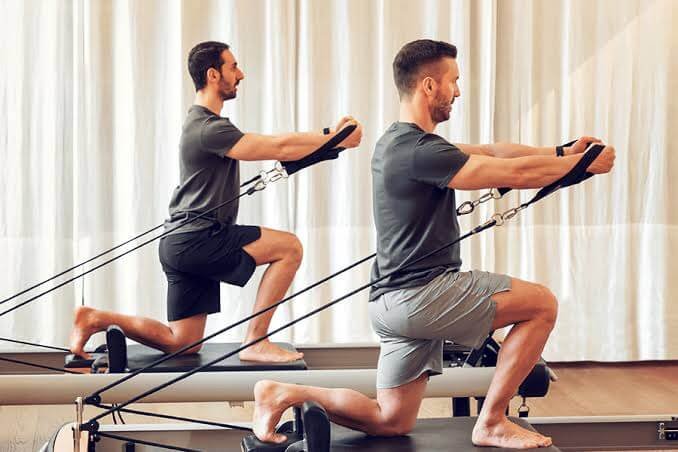

Pilates has become a recognised form of movement practice for people interested in strength, coordination, flexibility and body awareness. Classes may involve mat exercises, specialised equipment or a combination of both. As participation grows, some practitioners become interested in moving beyond personal practice and developing the skills needed to teach others.
Becoming an instructor requires more than learning a sequence of exercises. Teaching involves understanding movement principles, communicating clearly, adapting sessions and recognising the limits of one’s professional role.
Understanding the Pilates Method
Pilates is a movement approach built around controlled exercises, breathing, alignment and coordinated movement. Classes can vary in pace, equipment and teaching style, but many emphasise precision and awareness rather than simply completing a high number of repetitions.
Mat-based practice generally uses bodyweight and small accessories. Equipment-based sessions may involve apparatus such as the Reformer, Cadillac or Chair.
An aspiring instructor should become familiar with different class formats and understand how exercise choices can be adjusted for varying levels of experience.
Why Structured Training Matters
Professional instruction requires a foundation in exercise principles, anatomy, movement observation and safe teaching practice. A structured education programme can help learners understand how to plan sessions and communicate instructions.
Training should also include opportunities to practise teaching, receive feedback and observe experienced instructors. These activities help develop confidence and improve the ability to respond to different learning needs.
A certificate alone does not guarantee teaching competence. Ongoing practice, professional development and appropriate supervision remain valuable throughout an instructor’s career.
Choosing a Training Programme
People considering pilates teacher training bali should review the course structure carefully before enrolling.
Useful questions include:
- What topics are included in the curriculum?
- Does the programme cover mat and equipment-based practice?
- How many practical teaching hours are required?
- Are anatomy and movement principles included?
- What assessment methods are used?
- What are the attendance and completion requirements?
- What recognition does the qualification have?
The programme provider should be able to explain its course expectations and any prerequisites.
Developing Teaching Skills
An instructor must communicate movements in a way that participants can understand. Clear verbal cues, demonstrations and thoughtful observation can make a session easier to follow.
Teaching also requires awareness of different abilities. A movement that is appropriate for one participant may need adjustment for another.
New instructors should learn to offer suitable variations without pressuring participants to perform beyond their current ability. They should also understand when a participant needs to stop an exercise or seek advice from a qualified healthcare professional.
Understanding Anatomy and Movement
A basic understanding of anatomy can help instructors explain how the body moves. Topics may include the spine, joints, major muscle groups, breathing and posture.
This knowledge supports more thoughtful exercise selection and helps instructors recognise when a movement may be unsuitable for a participant.
Pilates instructors should stay within their professional scope. They can provide exercise guidance, but they should not diagnose injuries or claim to treat medical conditions unless they hold the relevant qualifications and authority.
Practical Experience and Feedback
Teaching practice is an important part of professional development. Trainees may begin by observing classes, assisting experienced teachers and practising short teaching segments.
Feedback can help improve timing, clarity, exercise transitions and class organisation. Recording practice sessions, where appropriate and permitted, may also help learners review their teaching.
Experience should develop gradually. A new instructor benefits from working within their level of competence and seeking guidance when faced with unfamiliar situations.
Career Preparation
After completing a suitable programme, instructors may explore opportunities at studios, fitness centres or other movement-focused environments. Some may eventually develop independent classes or private sessions.
Career planning should include understanding local professional expectations, insurance considerations, continuing education and business responsibilities.
Frequently Asked Questions
1. Do I need previous Pilates experience before training?
Entry requirements vary between programmes. Some expect applicants to have regular practice experience, while others provide introductory learning. Check the course prerequisites directly.
2. Does completing a training course automatically make someone an experienced instructor?
No. Training provides a foundation, but teaching competence develops through practice, feedback and continuing education.
3. Can Pilates instructors work with people who have injuries?
They should work within their qualifications and scope of practice. Participants with injuries or medical concerns may need guidance from a qualified healthcare professional before taking part.
Conclusion
Professional Pilates instruction combines movement knowledge, practical teaching ability and a responsible approach to participant wellbeing. Choosing a structured programme, developing anatomy knowledge and gaining supervised experience can help aspiring instructors build a strong foundation. Continued learning is important for maintaining skills and supporting safe, thoughtful classes.
